Key Features
- A dense edge that resists chipping — the blade is made to hold up when you lever a groove open in dried deadwood, so you can work with confidence in tight spots.
- Steel that keeps its character — the alloy is chosen for high hardness, wear resistance and stable toughness, so it maintains consistent cutting performance through long, repeated carving passes and resists deformation and blunting.
- An edge that holds its bite — the cutting edge is hardened for repeated use, so it stays sharp through a full carving session rather than going slick after a few passes.
- Short enough to steer — the compact working length keeps your hand close to the wood for fine detail while holding the edge clear of your fingers inside a hollow or under a bend.
- Cuts shavings, not chips — like the better bonsai carving tools, it is shaped to take thin, controlled cuts, which is exactly what you want when the silhouette is already right and only the surface needs to look older.
Specifications
| Specification |
Detail |
| Tool type |
Forged graver for bonsai deadwood carving |
| Model |
CT-A series |
| Blade material |
5Cr15MoV alloy steel |
| Overall length |
180 mm |
| Edge hardness |
HRC58 |
| Hardening |
High-frequency coil quenching |
| Available finishes |
Satin and black oxide |
| Brand |
TianBonsai |
CT-A Series Product Overview
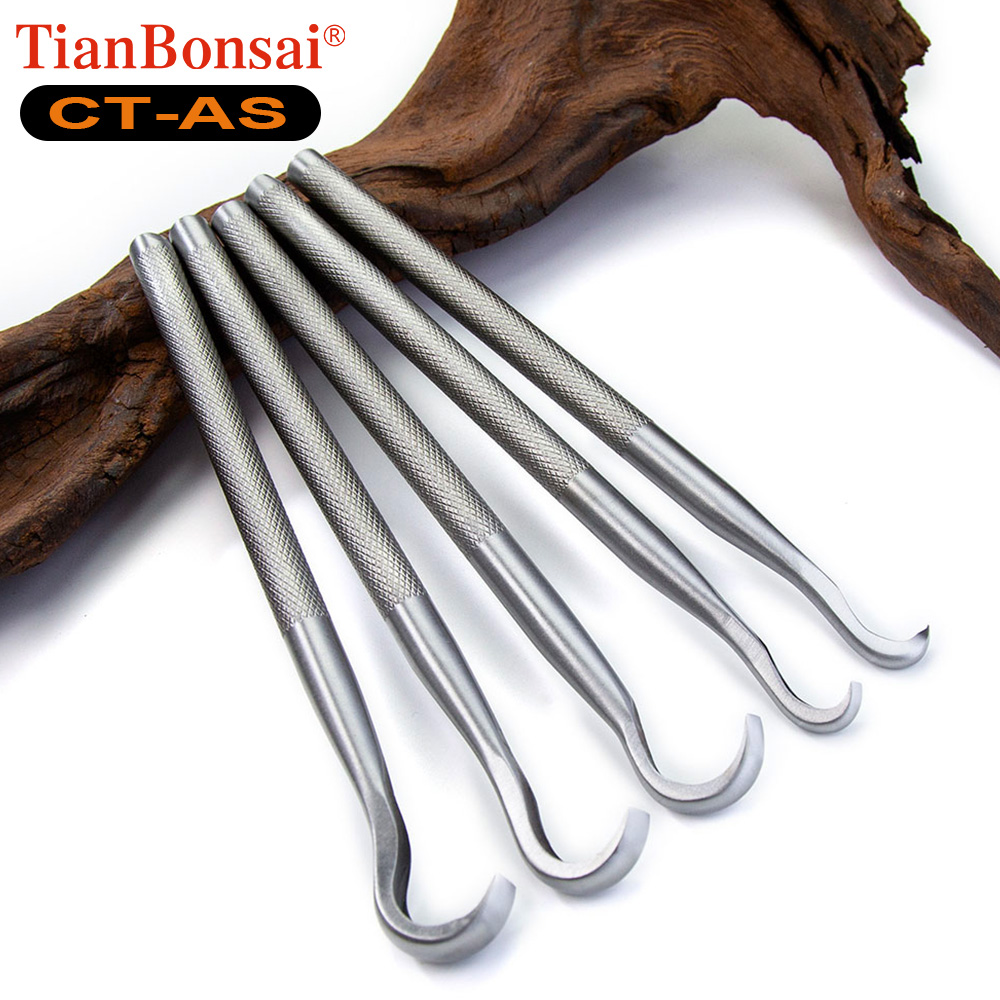
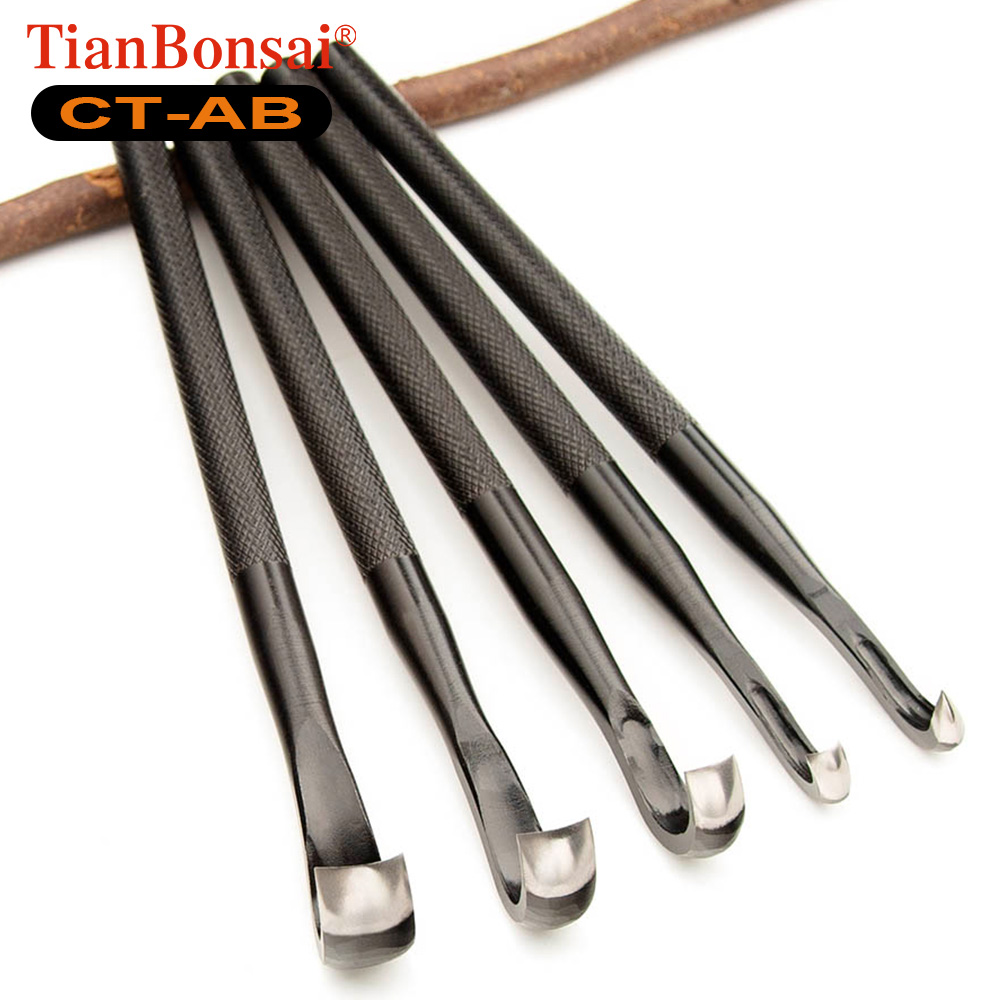
The entire CT-A series of professional bonsai carving knives adopts premium 5Cr15MoV alloy steel as the core material. This steel grade features high hardness, excellent wear resistance and stable toughness, maintaining consistent cutting performance during long-term repeated carving operations and resisting deformation and blunting. Two standardized surface treatment versions are available to match different usage scenarios and aesthetic needs: CT-AS (Satin Finished) and CT-AB (Black Oxide Finished).
Two Versions & Performance Characteristics
CT-AS (Satin Finished Version)
The CT-AS blade is processed with high-precision satin finishing. It delivers a uniform, delicate and glare-free surface texture with smooth tactile feel and no burrs. This refined surface treatment enables ultra-precise control and smooth carving strokes during production. With an elegant and minimalist metallic appearance, this model is dedicated to fine grain carving, detailed deadwood trimming and high-end indoor bonsai creation, fully meeting strict aesthetic and fine craftsmanship standards.
CT-AB (Black Oxide Finished Version)
The CT-AB blade adopts professional black oxide finishing based on 5Cr15MoV alloy steel substrate, forming a dense, firm and wear-resistant black protective film on the blade surface. Compared with the satin-finished version, the black oxide layer greatly improves anti-rust, anti-oxidation and anti-corrosion performance. It effectively isolates moisture, humid air and subtle corrosive substances to avoid blade rusting, discoloration and performance attenuation. This model adapts perfectly to humid working environments, outdoor bonsai production and high-frequency long-term use, with superior durability and low daily maintenance requirements.
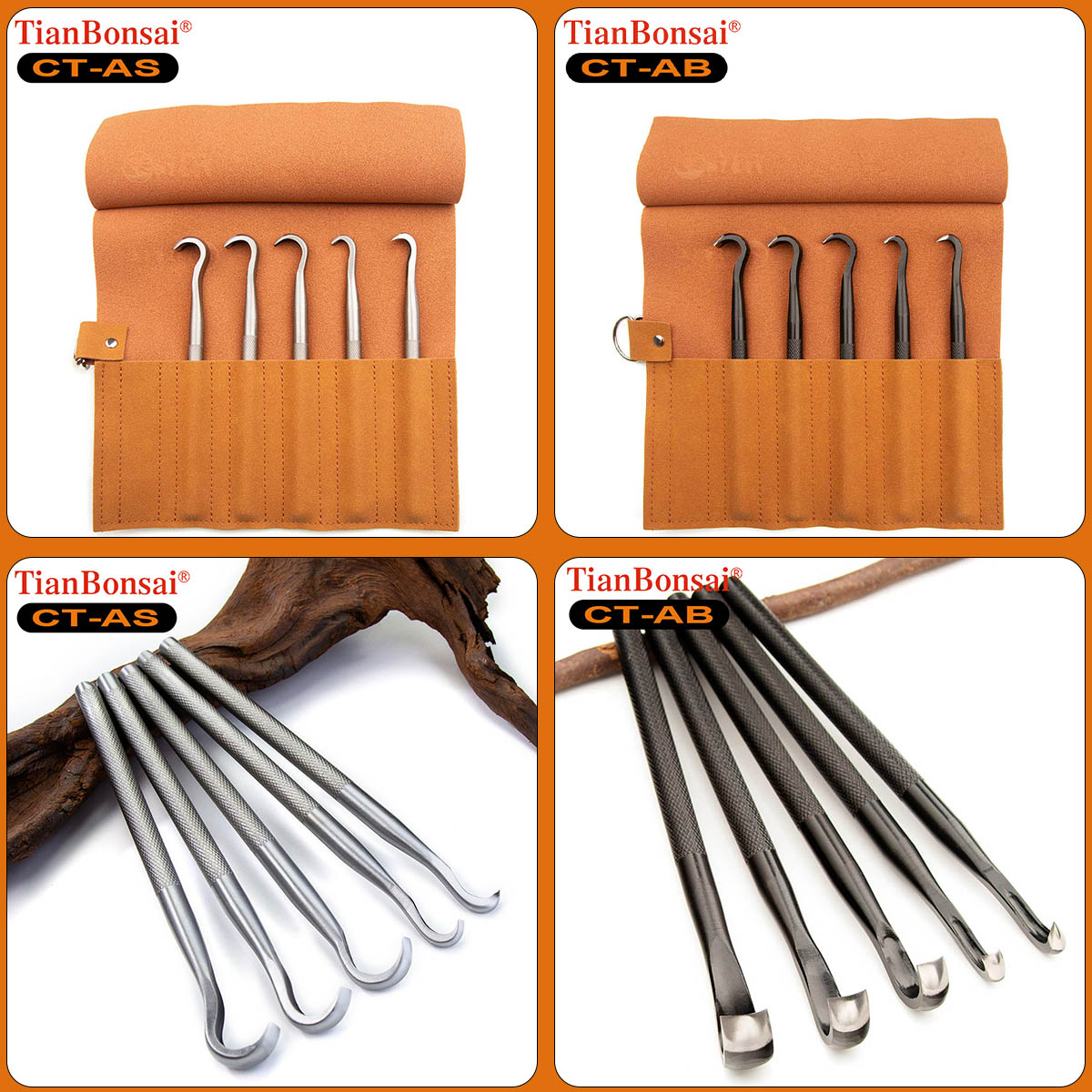
Satin and Black Oxide Finishes
- The satin finish gives the blade a uniform, glare-free surface with a smooth, burr-free feel. That refined face supports very fine control on detailed grain carving and suits high-end indoor display work.
- The black oxide finish forms a dense protective layer over the steel, resisting rust, oxidation and corrosion. It seals the blade against moisture, humid air and mild corrosive exposure, so it adapts well to damp workshops and outdoor benches.
- Choose by where you carve: damp workshops, outdoor benches and long sessions point to black oxide; a bright, minimal finish for close, precise work supports satin. Both versions share the same blade geometry and edge preparation.
- Before you order: the two finishes are separate items in our bonsai tools for sale range, so confirm which version is selected on your order, especially if you are buying more than one graver for a workshop or studio.
Deadwood Carving in Practice
Most sessions with this graver begin once the deadwood area is exposed: you cut the long striated lines and shallow hollows that copy grain left behind by weathering, water erosion and old insect damage. On the crown, the same blade refines Shin — sharpening a tip, cleaning up a taper, or breaking up a silhouette that still looks too tidy. Because it removes wood in thin cuts, it is also the tool for stacking depth: pass after pass of light cuts build grooves and uneven surfaces until the deadwood reads as decades old rather than freshly carved. Where a Jin line runs too straight, or the join between live and dead wood looks abrupt, short controlled strokes smooth the flow so the deadwood follows the tree's own movement. Keep it beside your other bonsai cutting tools and bring it out once the live pruning is finished.
Safe Use & Maintenance
- Keep it for dead wood. This graver shapes Jin and Shin, not live branches; for green growth, use bud scissors, shears or a tool made for that work.
- Wipe the blade after every session. Wood dust and sap left on the steel start corrosion, and a dry cloth handles most of it. This is basic care for all your bonsai tools and supplies.
- Dry it fully before storage. Trapped moisture is the usual cause of rust spots on a steel carving tool.
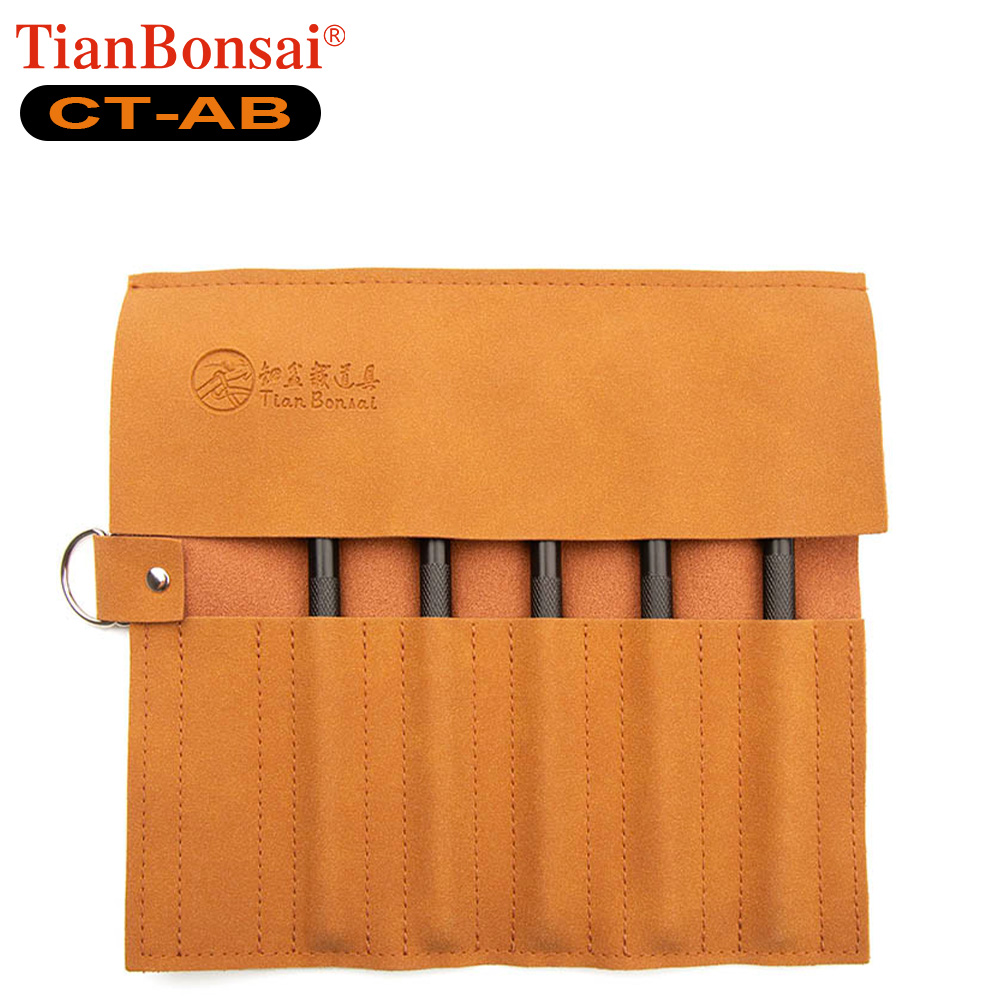
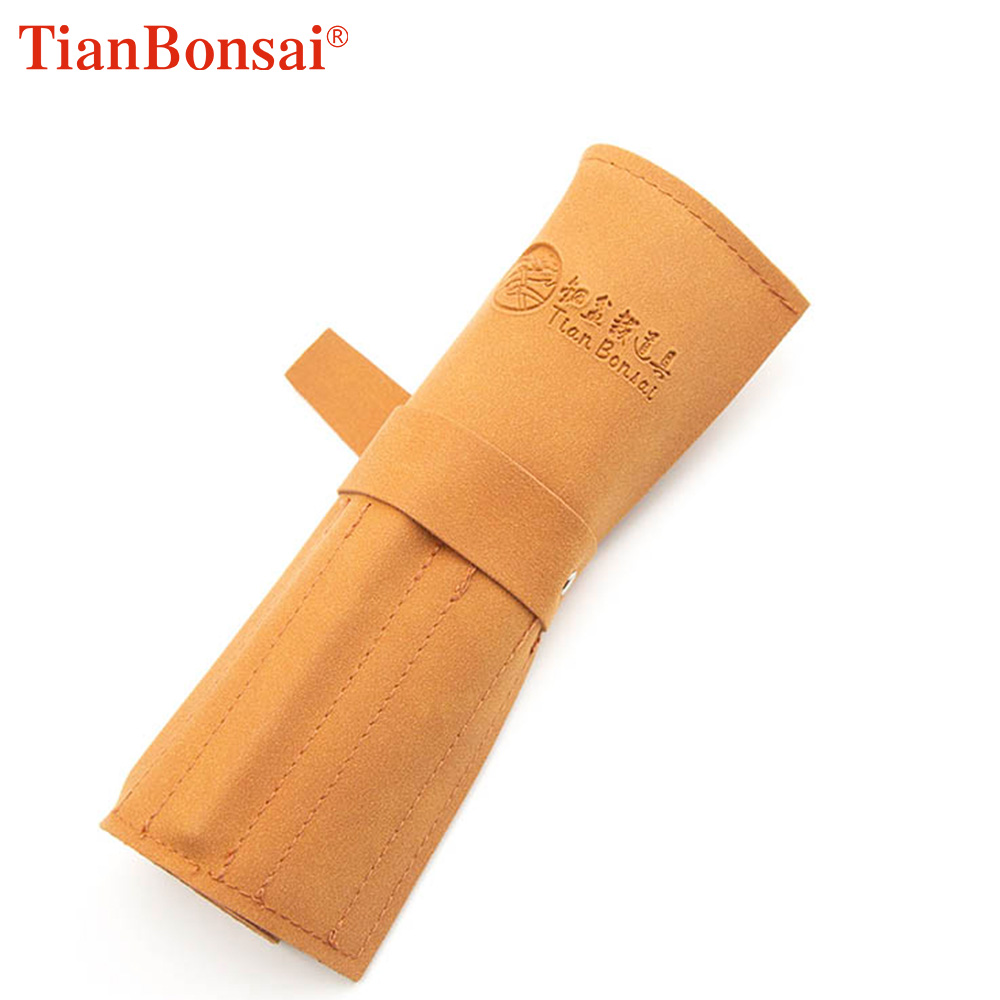
- Store it so nothing hard presses on the edge. A tool roll, a case or a dedicated drawer slot all work; you are protecting the bevel, not the looks.
- Clean without abrasives. A stiff brush or cloth lifts dried resin, while abrasive pads dull the cutting edge and scratch the surface.
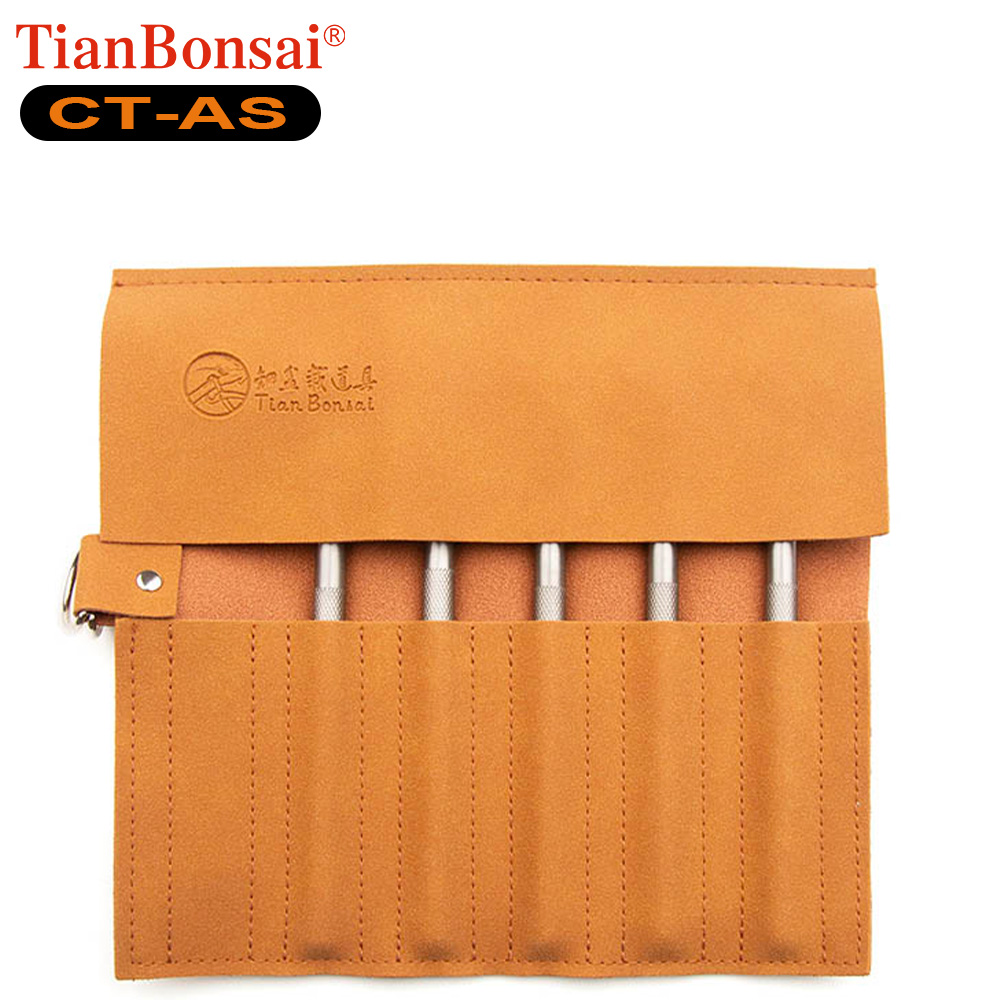
Scale & Supply Capability
TianBonsai is a bonsai-tool brand with a focused, deep range: carving knives and gravers, bud scissors, branch cutters, wire cutters, multi-piece tool sets, and the cases and roll bags that carry them. Across the series we work in specified alloy steels — 4Cr13MoV, 5Cr15MoV and Mn18Cr2 — with high-frequency quenching, forged edges, right- and left-handed options, and patent-design storage. Ordering from us means one consistent standard of forging, hardening and finishing, and a range that grows with your practice.
FAQ
Q1. What is the difference between a graver and other bonsai tools?
A graver is the deadwood tool: it shapes dead wood after the bark has been removed, while scissors, shears and other bonsai pruning tools handle live growth. It is used for the finishing stages of deadwood work rather than for cutting green branches.
Q2. What should I know about the blade steel and edge hardness?
The blade is forged from a high-carbon alloy steel and the edge is hardened for repeated carving. That combination gives you a tool that resists deformation and keeps a consistent cutting feel, so you can work through a full session without the edge going slick.
Q3. How does the working length affect control?
The compact length keeps your hand close to the work for fine lines while keeping the edge clear of your fingers inside a hollow. On long sweeping lines you can hold further back for a straighter stroke; in tight detail you choke up towards the blade. That range of grip is what makes it useful for both broad shaping and fine work.
Q4. Does it remove bark as well as carve the wood?
Yes — the same blade handles both stages. You can strip dead bark from selected areas to expose the wood underneath, then switch to building texture and depth in the exposed surface. Most people finish the live pruning first with their bonsai pruning tools, then use the graver once the deadwood area is ready.
Q5. Can I use it on live branches too?
It is made for dead wood. A graver would crush and tear living tissue instead of cutting cleanly, so reach for bud scissors, shears or other bonsai cutting tools on growth and keep this blade for deadwood shaping. Where the two meet, shape the dead side with the graver and leave the living edge to a sharp cutter.
Q6. Is this graver sold on its own or as part of a set?
On its own — this listing is a single graver, not a kit. That suits artists who already own the basics and want one dedicated deadwood tool with a known steel and a stated edge hardness. If you would rather begin with a full kit, the multi-piece carving sets in our bonsai tools and supplies range cover bark removal and fine detail work.
Q7. Why do bonsai artists choose this graver?
It has earned a 5.0 rating from 37 reviews and 389 sold, and it comes from a brand that has served more than 100,000 customers since 2013. That track record is why many artists keep this graver in their kit. If you are looking for bonsai tools for sale that are built for this specific task, this graver is one to consider.